
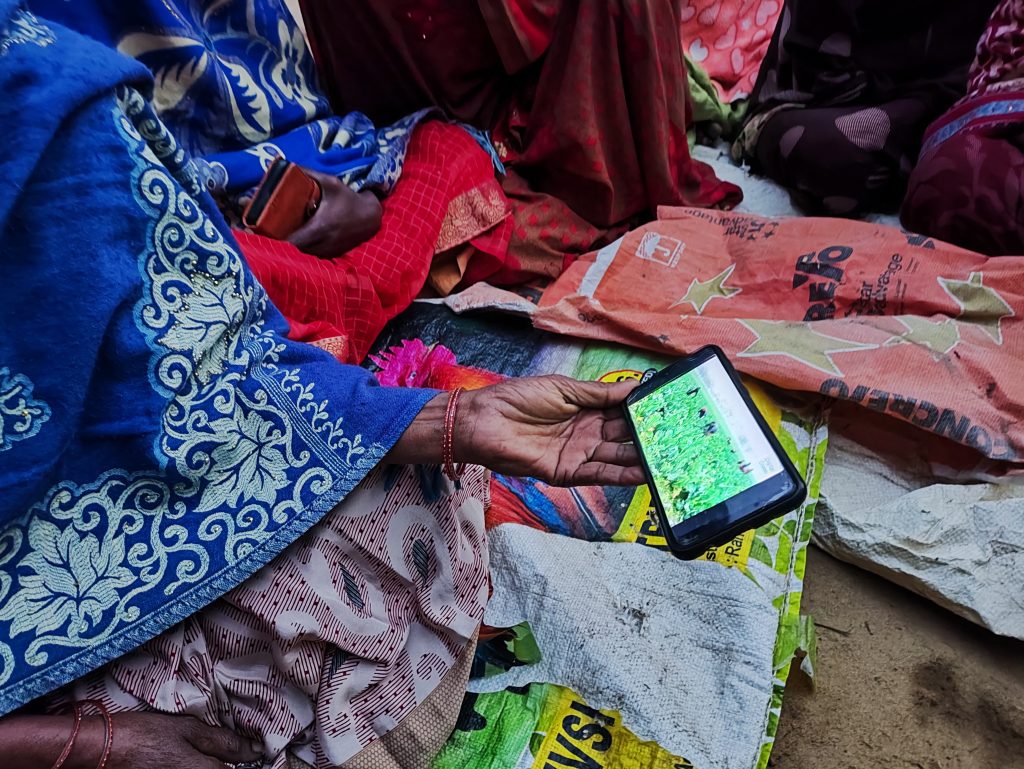
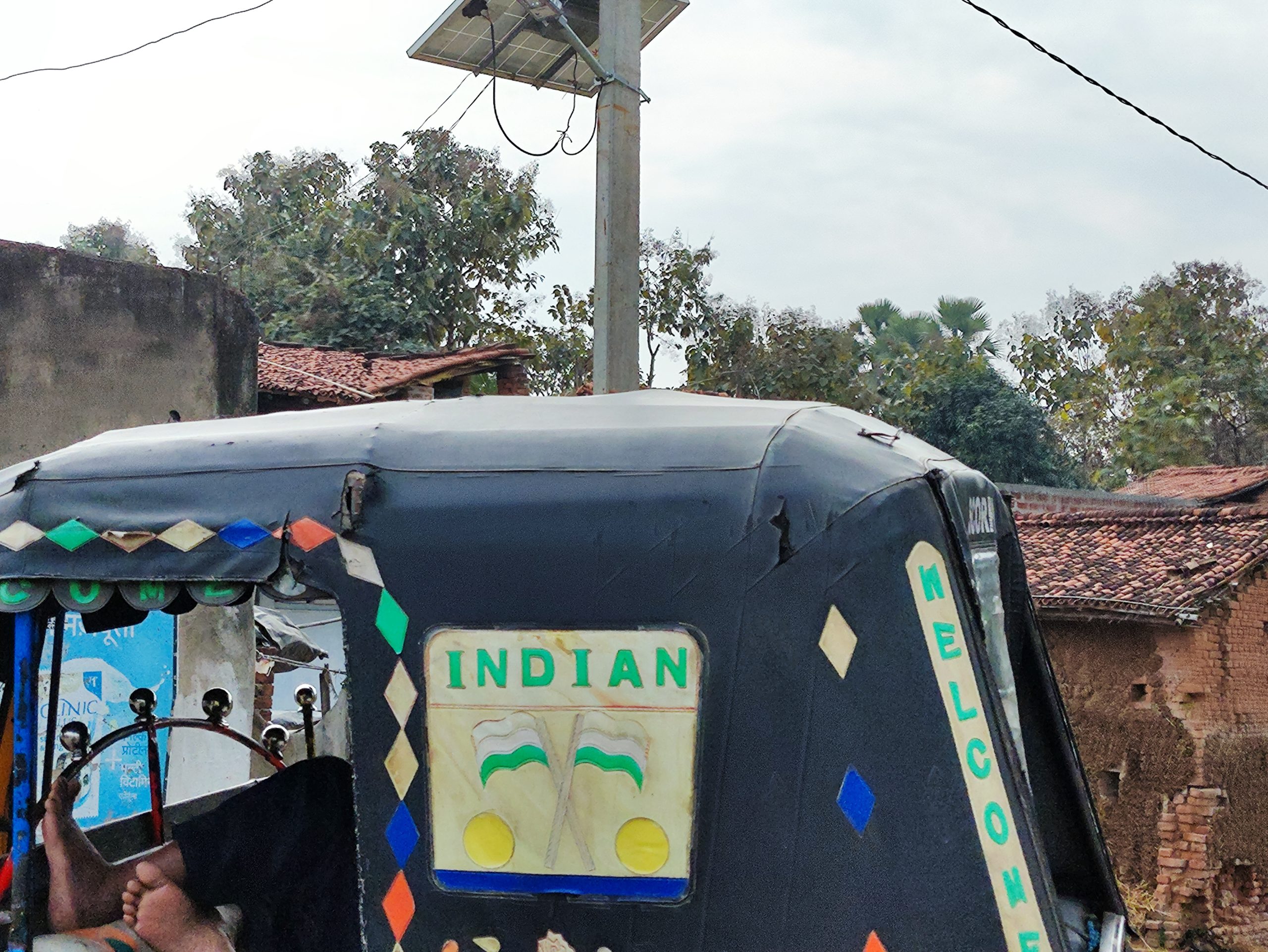
The flood-prone and exceptionally fertile plains of the northern Indian state of Bihar constitute the perfect setting to experiment with digital climate adaptation. Since the promotion of “climate-smart villages”, a concept pioneered in 2011 by CGIAR and compounded by the Modi’s government launch of “Digital India” in 2015, Bihar can be considered as a laboratory for climate services and digital adaptation. Ranging from farm activities (“farming as a service”, Malik 2023) to important poverty reduction schemes like the MNREGA (Mahatma Gandhi National Rural Employment Guarantee Act), the synergy between adaptation and the digital has become pervasive.
Our aim was to investigate how users and communities engage with, co-design, employ, and resist such applications and understand how digital adaptation contributes to reshaping knowledge and power relations in a society where land ownership, access to employment, resources and technologies are deeply fraught along the lines of caste, gender, and ethnicity.
During the pilot phase of the case study, it became clear that this landscape was considerably richer and more varied than initially anticipated, with a wide range of smart initiatives and pilots — many falling under the radar of researchers — active across farm and non-farm sectors. The scope of the case study was accordingly broadened to capture this complexity.
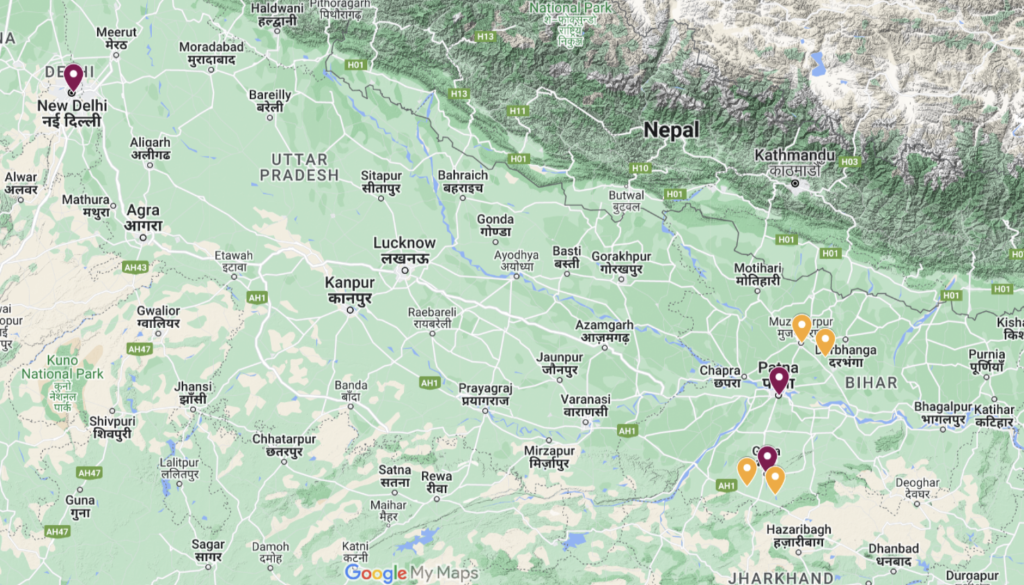
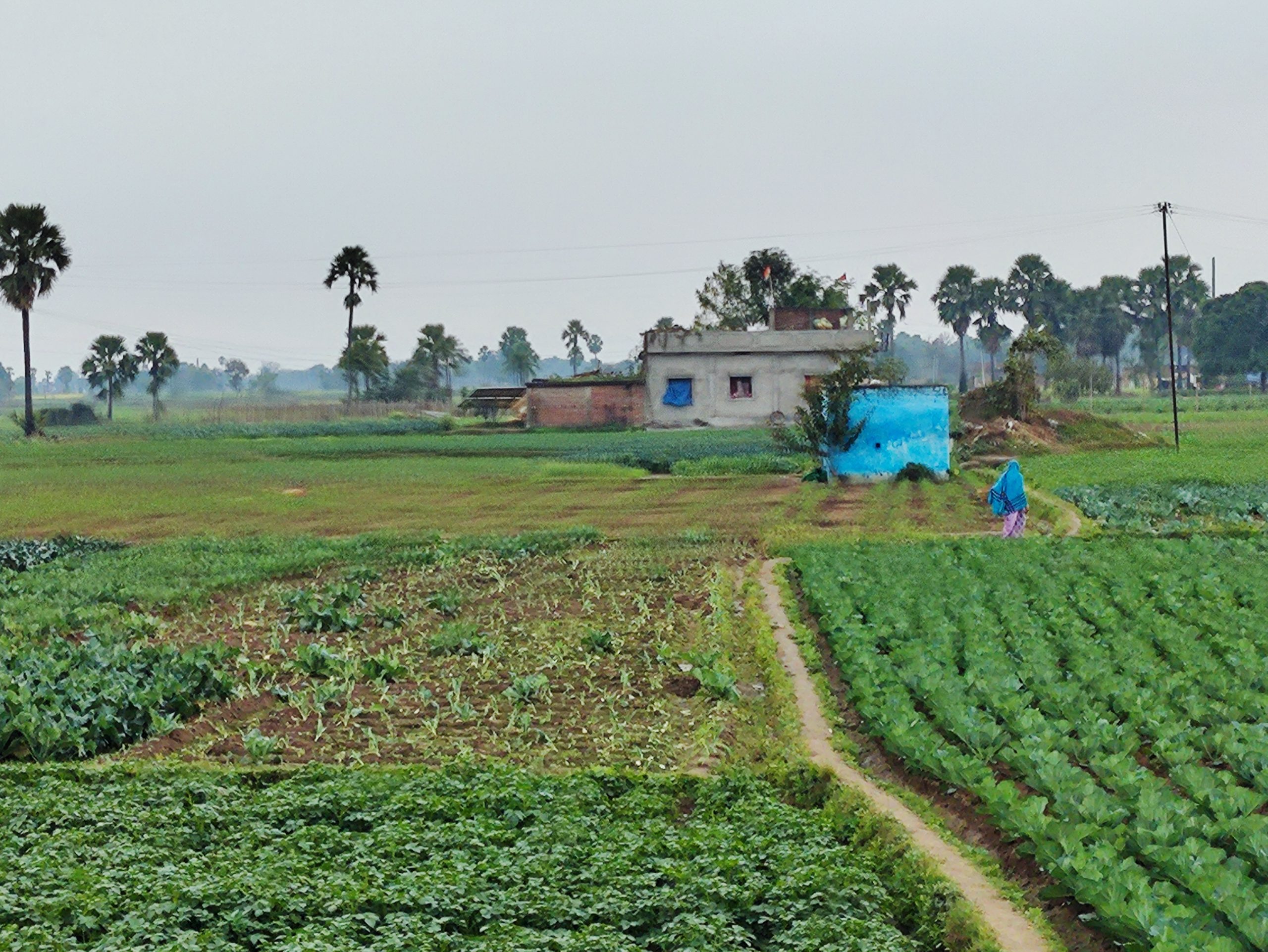
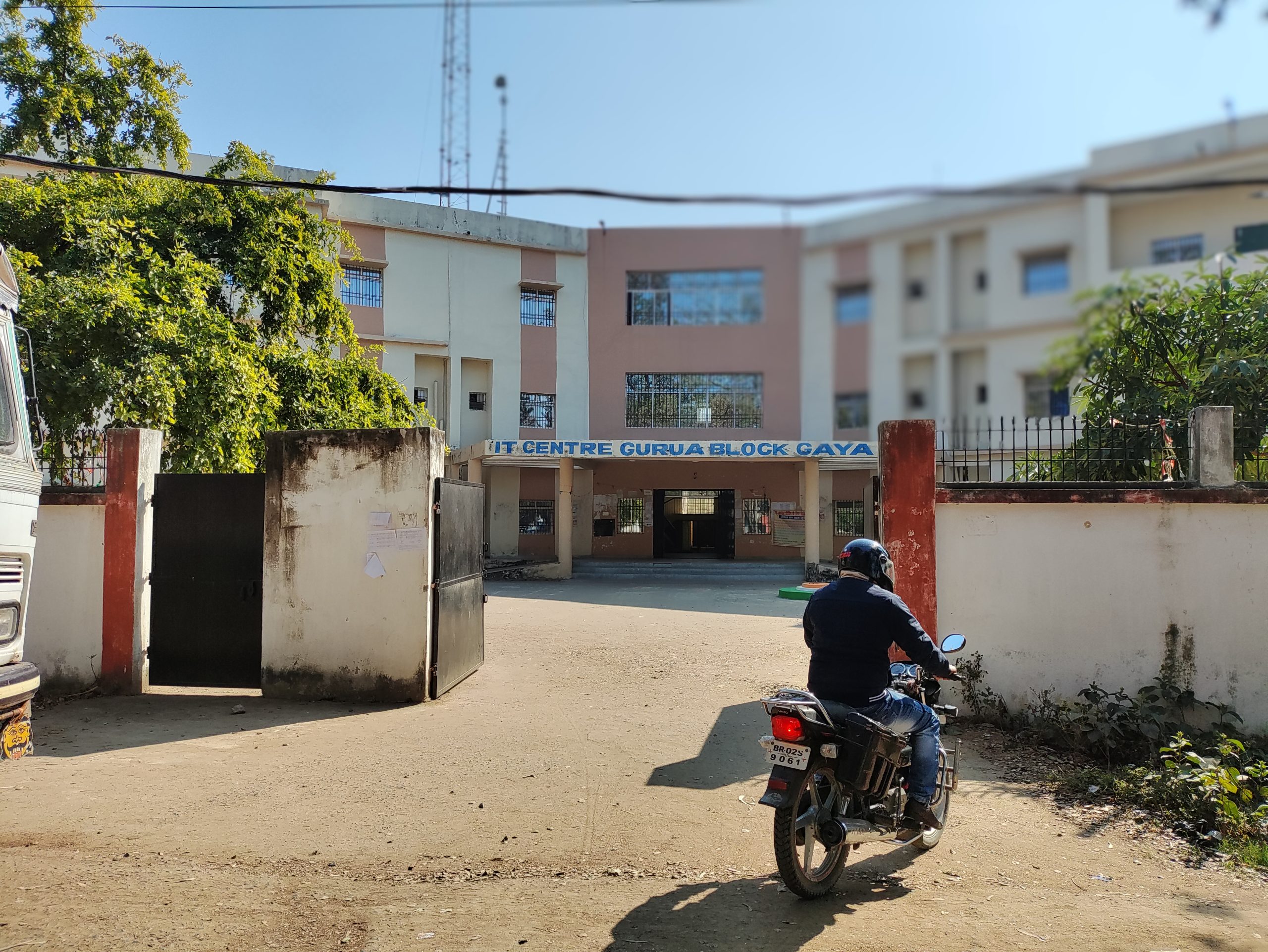
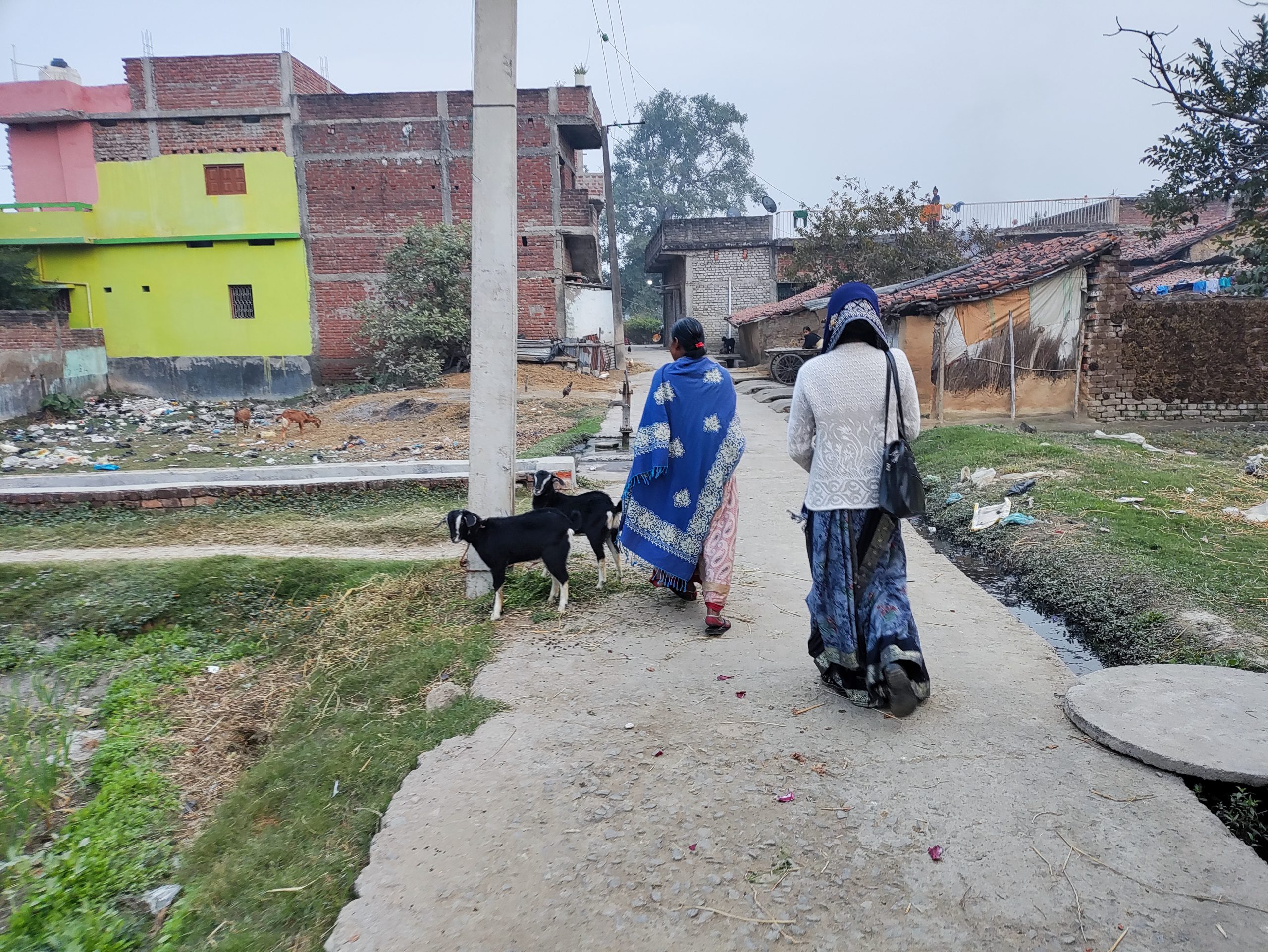
Research was carried out in state capital Patna, and in villages in the three districts of Gaya, Vaishali, and Muzaffarpur (see Figure 1). These three areas were selected because together they offered a comprehensive view of the varied ways in which digital technologies have been adopted by — or enforced upon — different groups with the promise of increasing their resilience to climatic shocks. The bulk of the research thus focused on rural areas, whilst interviews with policy makers and organisational representatives were conducted in Patna.
For a detailed overview of the research carried out, read the post “35 Apps and Counting: Mapping Bihar’s Digital Agriculture Experiment”, published on the Pollen Blog.
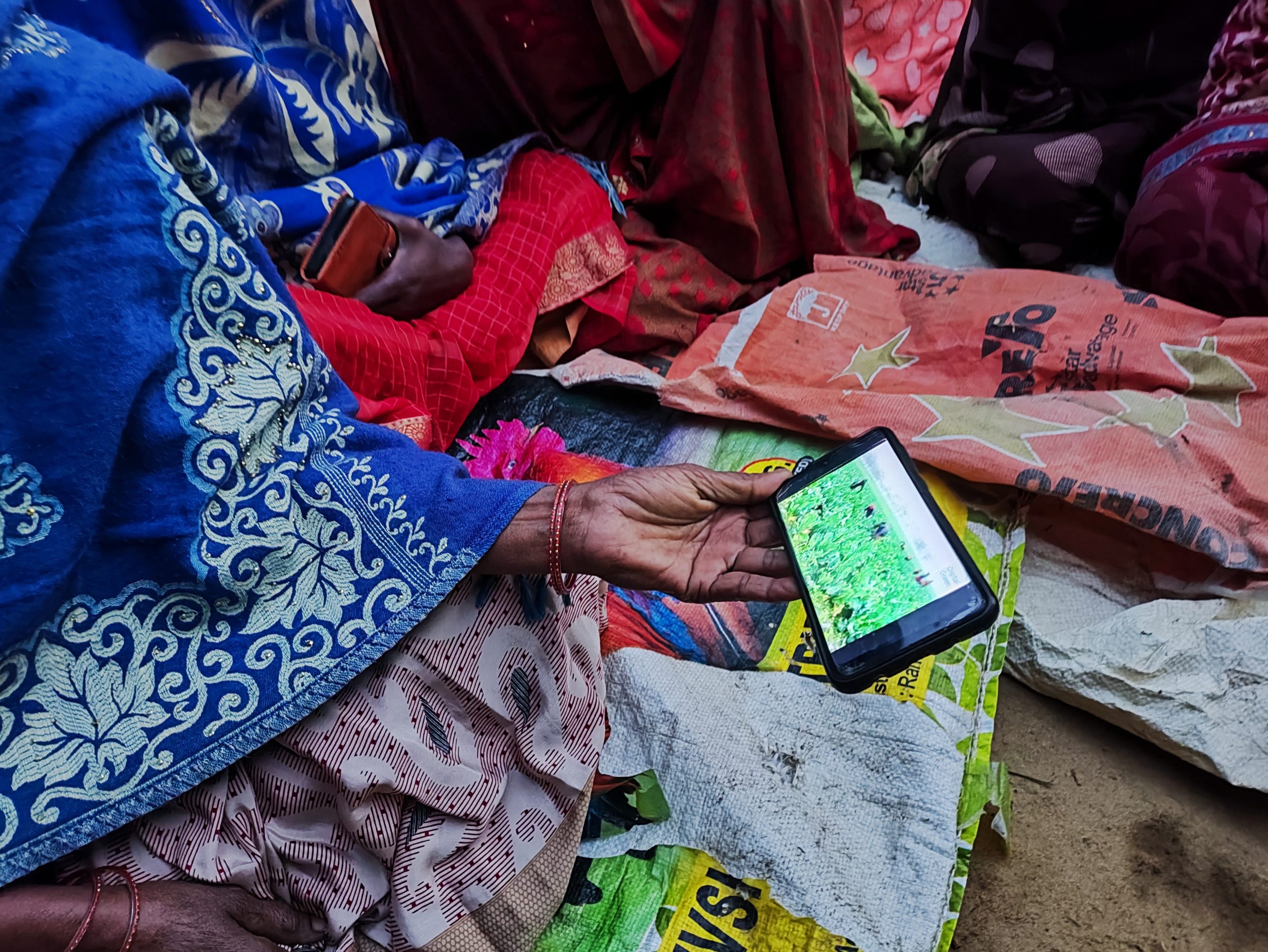
The research examined several interconnected themes. In rural Gaya and Vaishali Districts, the team investigated digital applications designed to increase the adaptive capacity of smallholder farmers, including schemes offering weather forecasts and climate-smart farming advisories via mobile phones.
The research critically interrogated assumptions about the ‘smartness’ of such interventions — noting for instance that, as the majority of smallholder farmers in India are uninsured, weather-indexed insurance is often piloted as a resilience measure without adequate attention to the structural conditions of vulnerability — and examined how digitalisation may disproportionately benefit larger landholders whilst facilitating gendered processes of dispossession and predatory financial penetration.
For an analysis of the responses to smart adaptation policies, see the post “We Are Not Weak: Resistance to Digital Coloniality in Bihar’s Climate Adaptation” on the Pollen Blog.
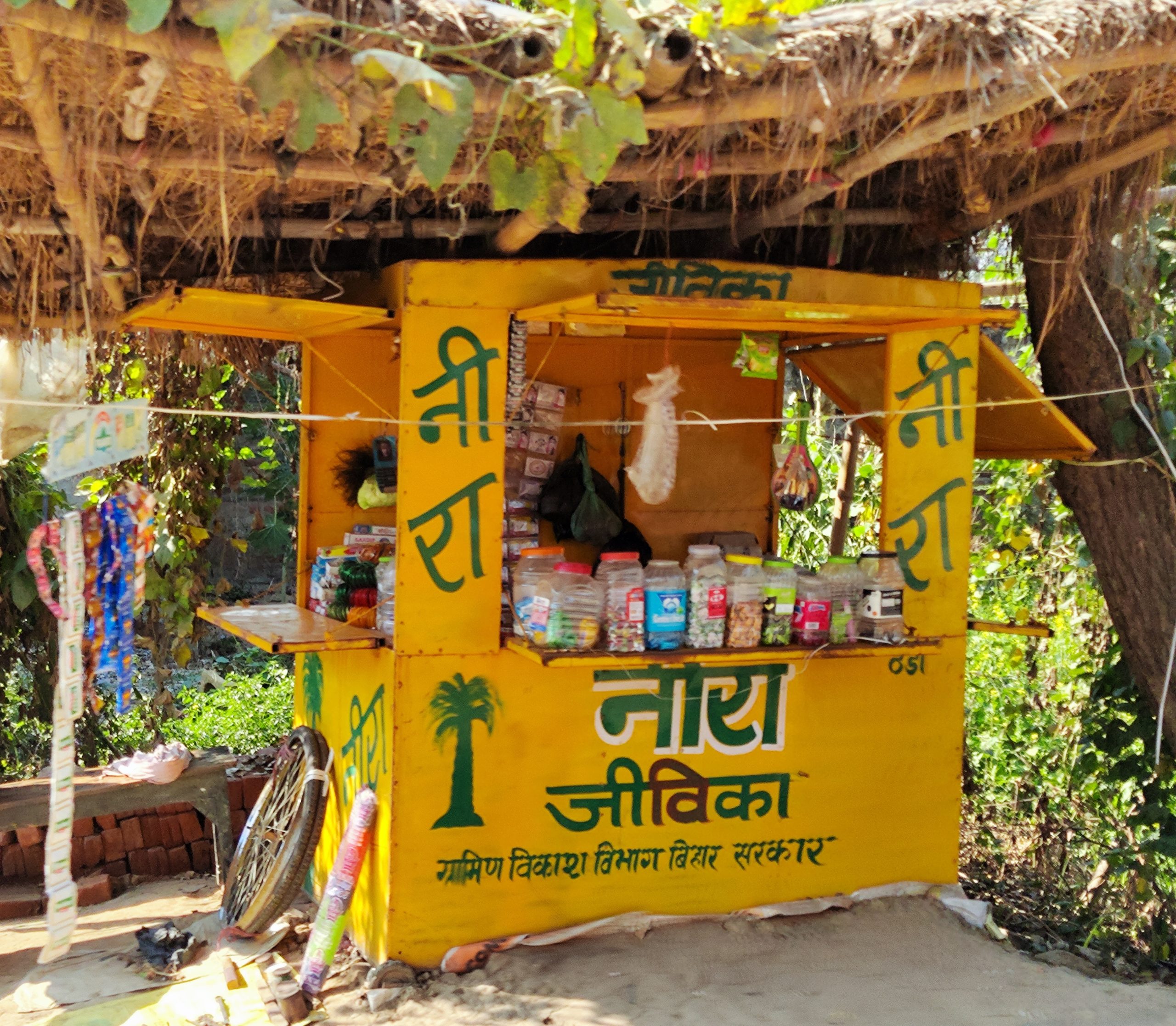
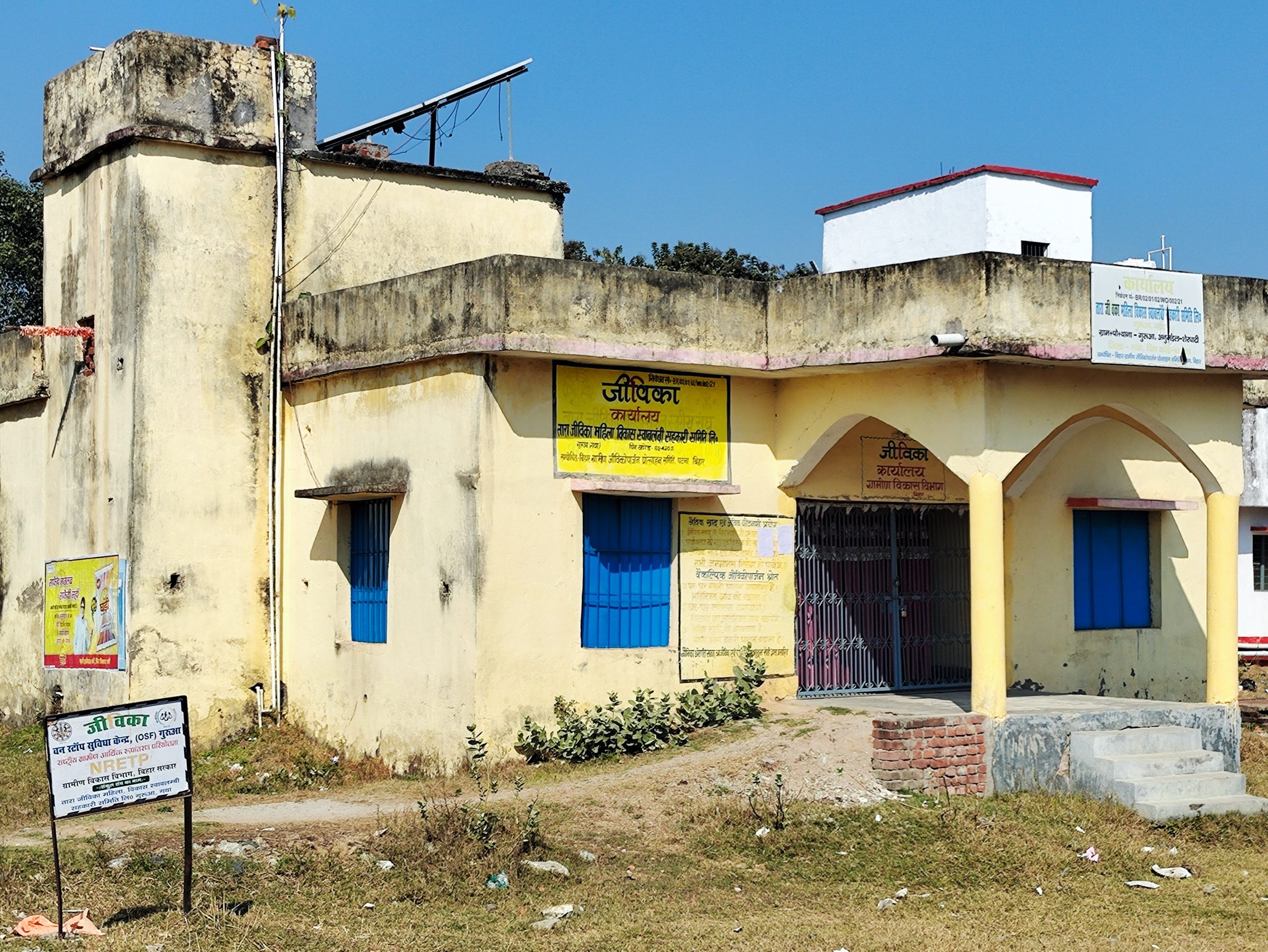
A central finding of the case study is that what registers in the discourse of smart adaptation as “failure to adopt” or technological backwardness on the part of marginalised communities frequently constitutes, on closer examination, active and politically sophisticated refusal. Farmers in Gaya district, for instance, described a deliberate practice of testing new digital advisories and technologies on small parcels of land before wider adoption — a collective form of risk management through Self-Help Group networks that distributes uncertainty in ways that individual app-mediated advice structurally cannot. Weather applications were found to serve a bounded and instrumentalised function for many farmers, with relational knowledge — transmitted through Jeevika extension workers, peer networks, and community structures — handling the full complexity of adaptive decision-making in ways that algorithmic platforms consistently failed to match. The research thus generates an important corrective to the assumptions embedded in smart adaptation discourse: non-adoption is not a deficit to be overcome through better design or wider digital access, but often a rational and collective response to the structural limitations and risks of the interventions themselves.
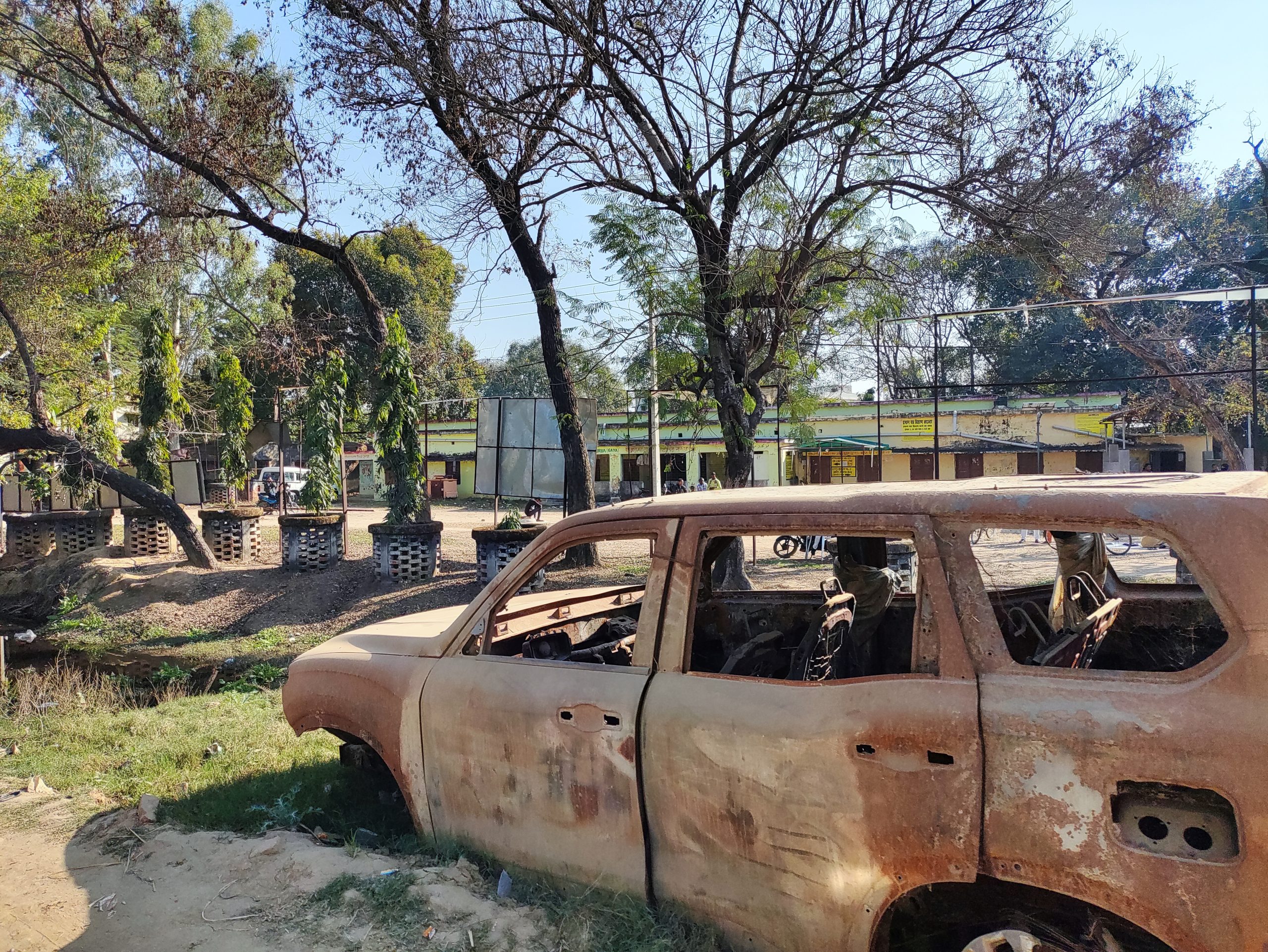
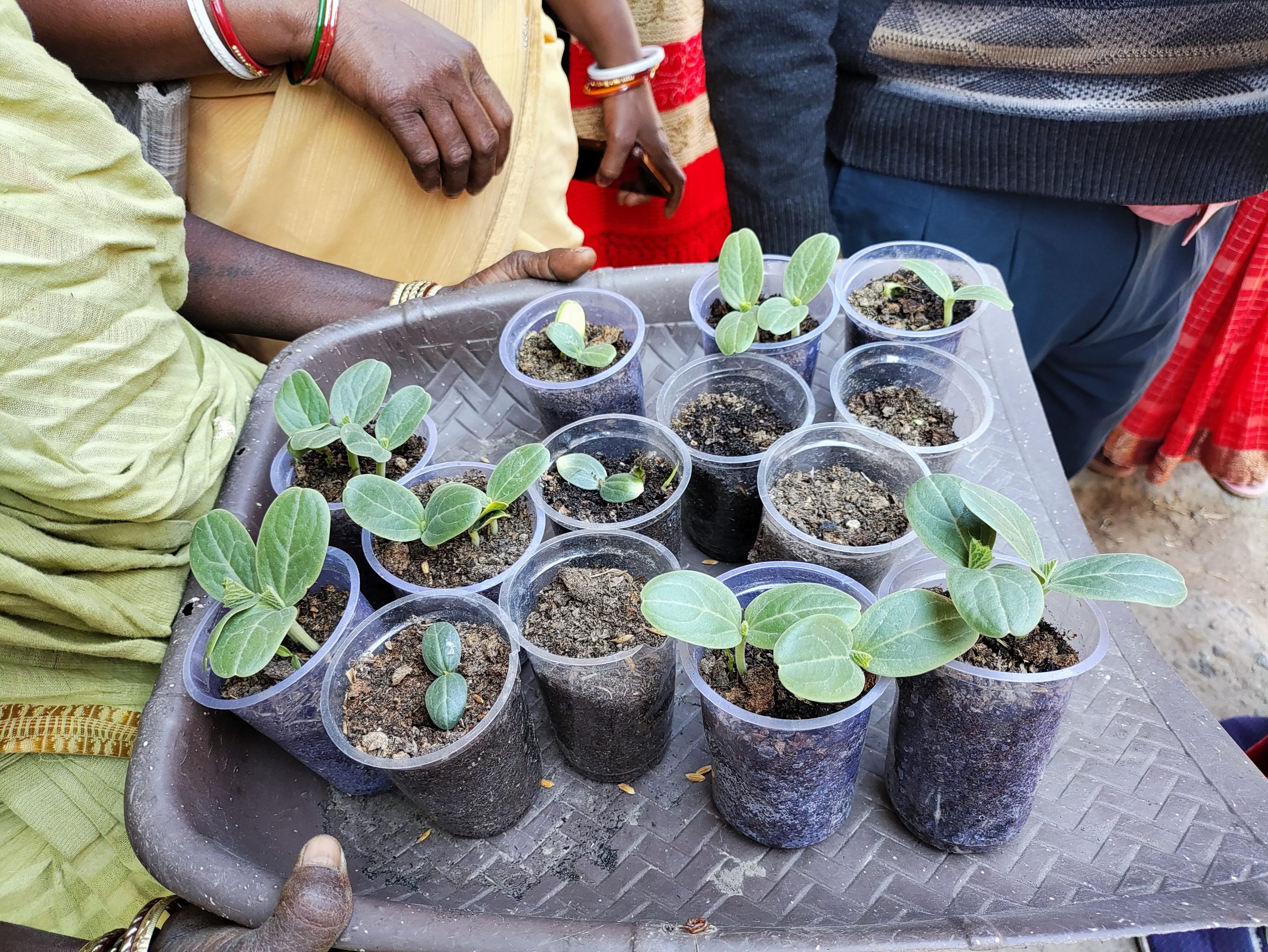
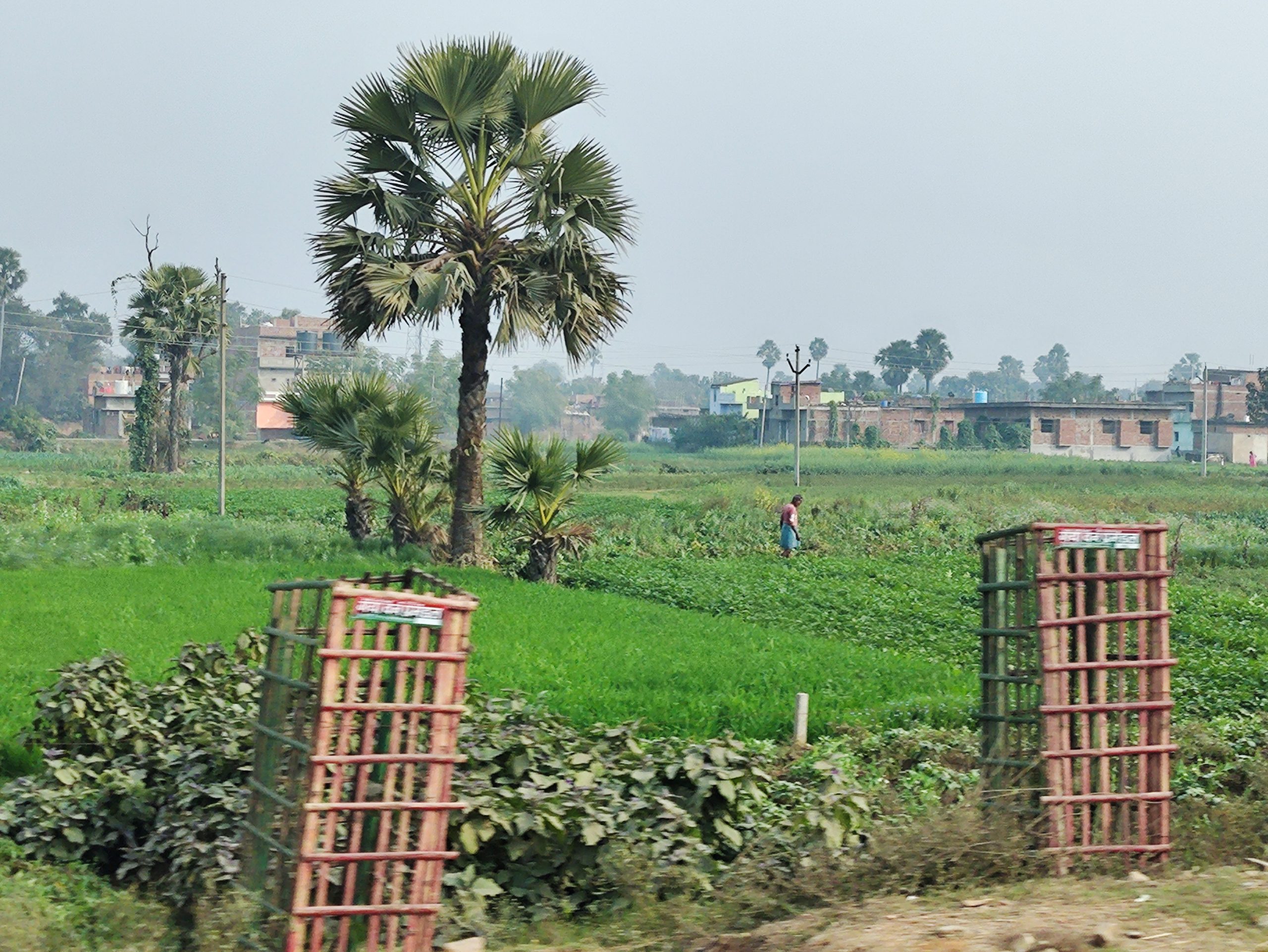
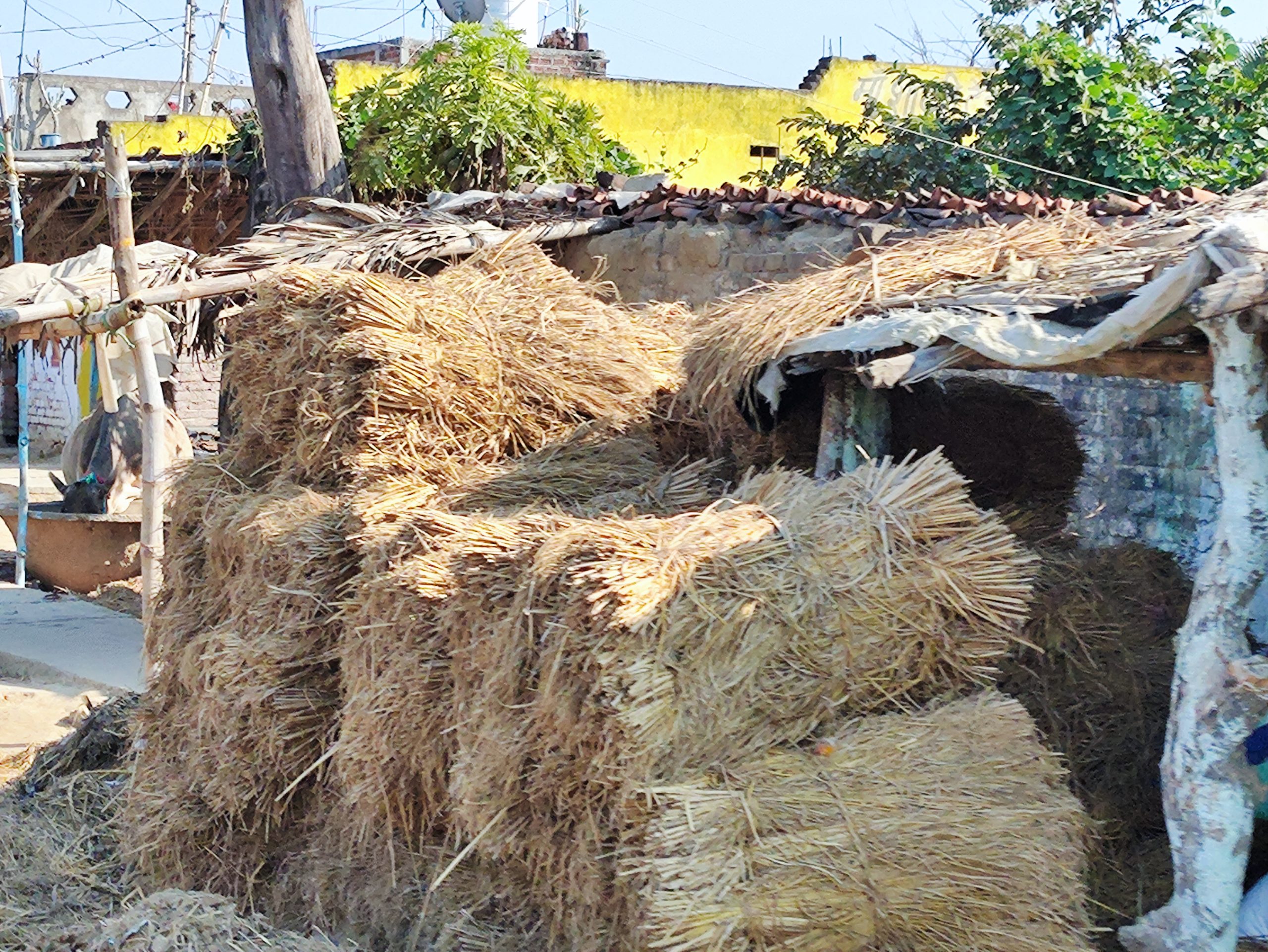
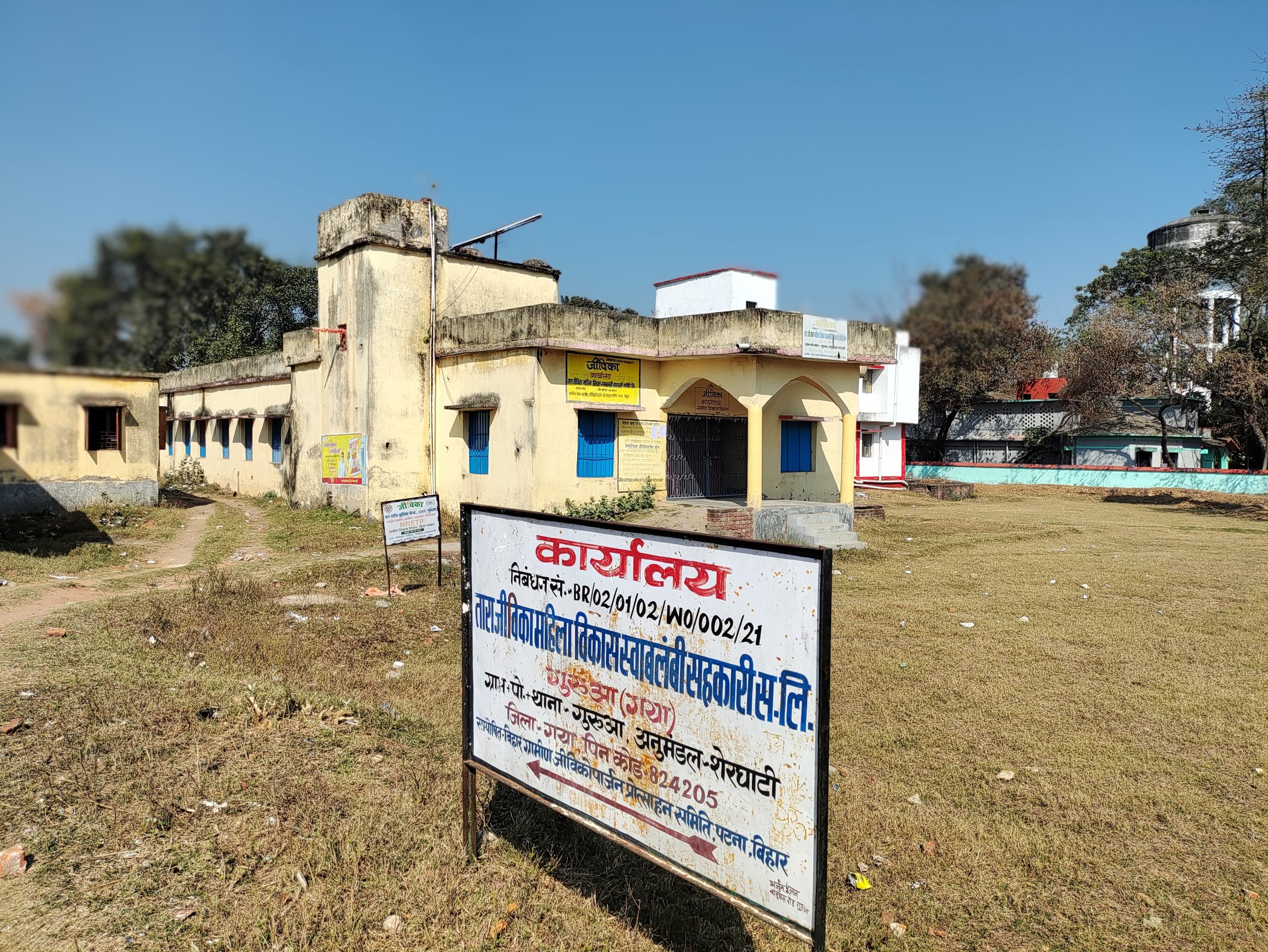
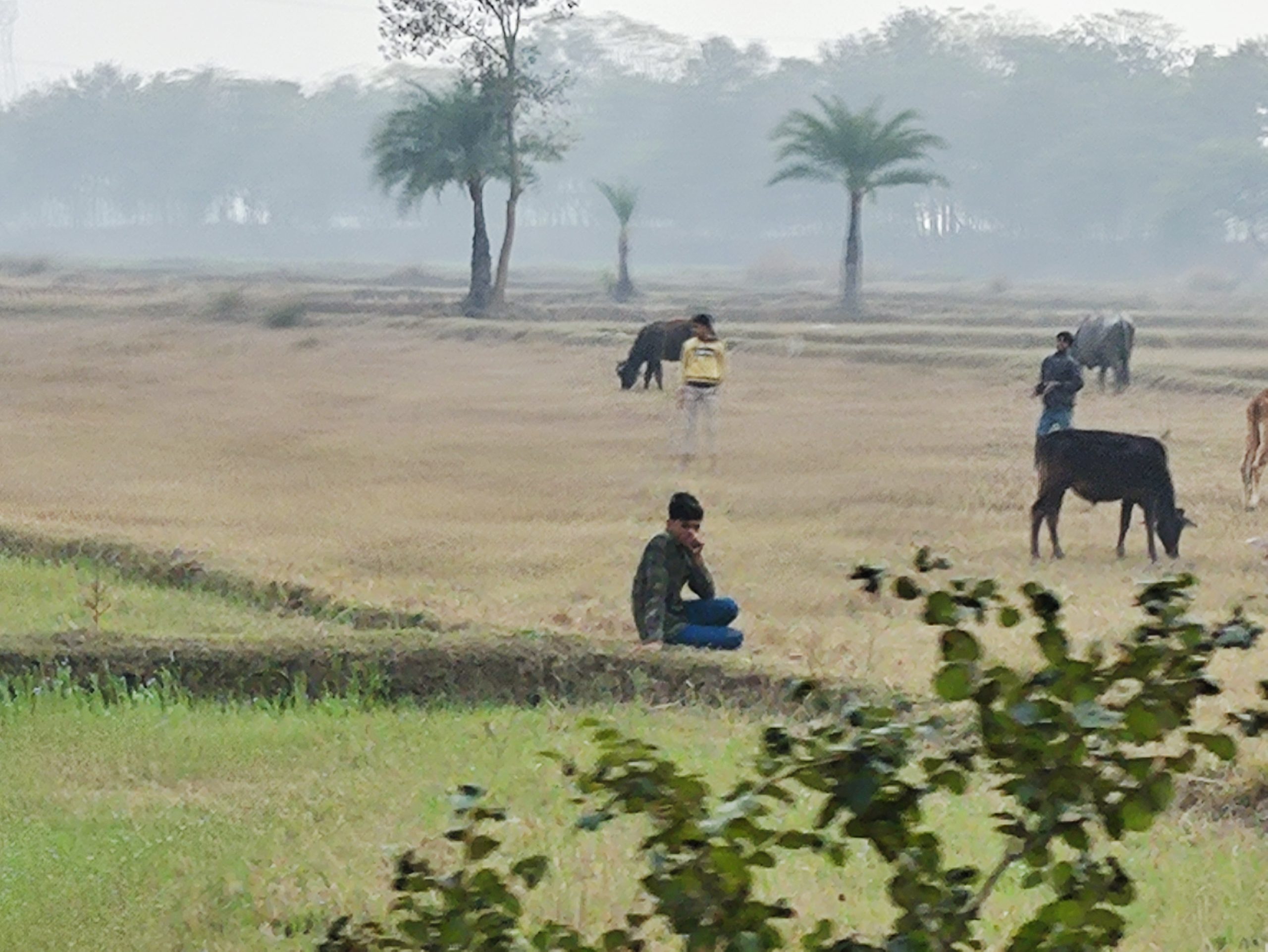
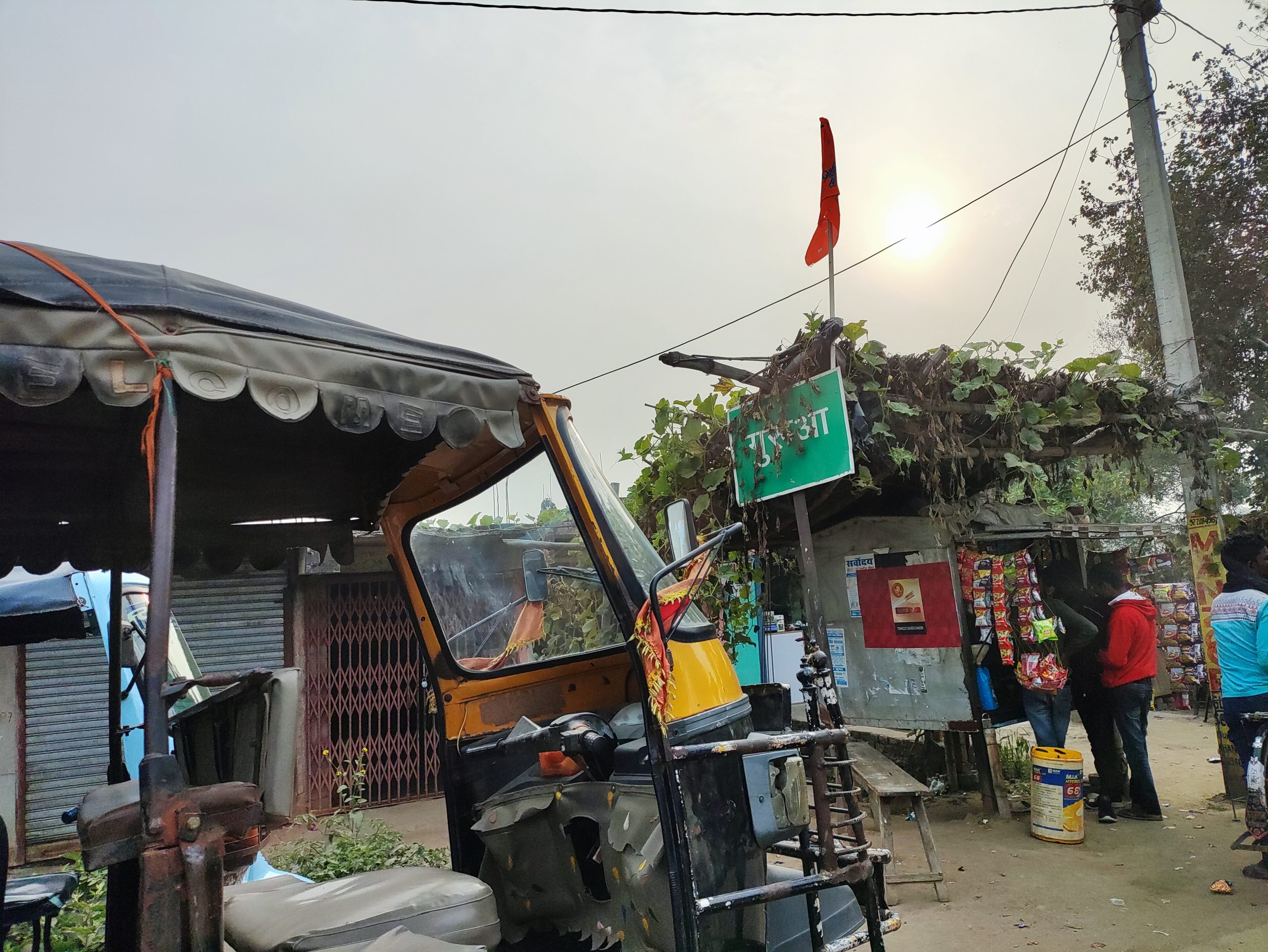
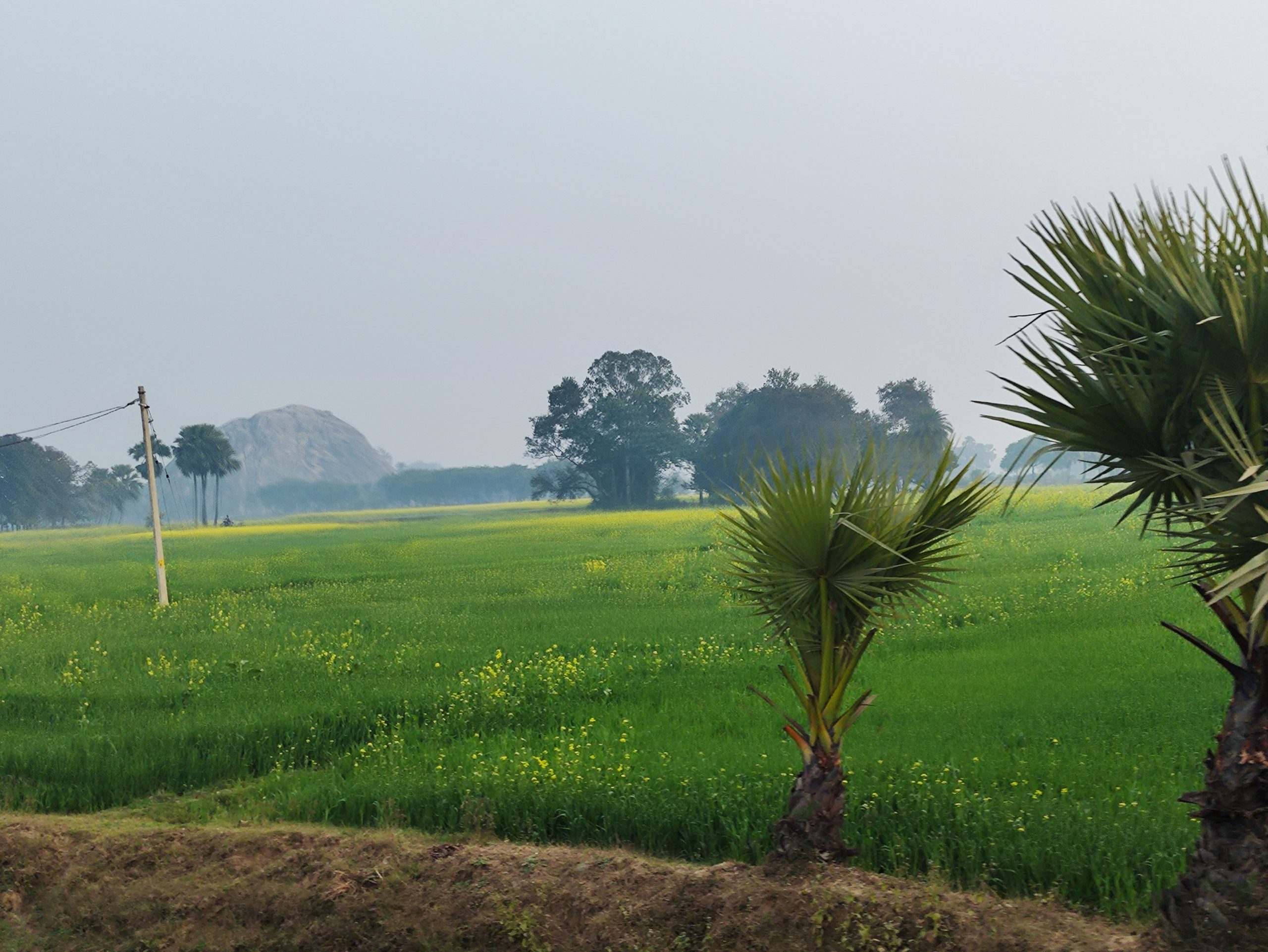
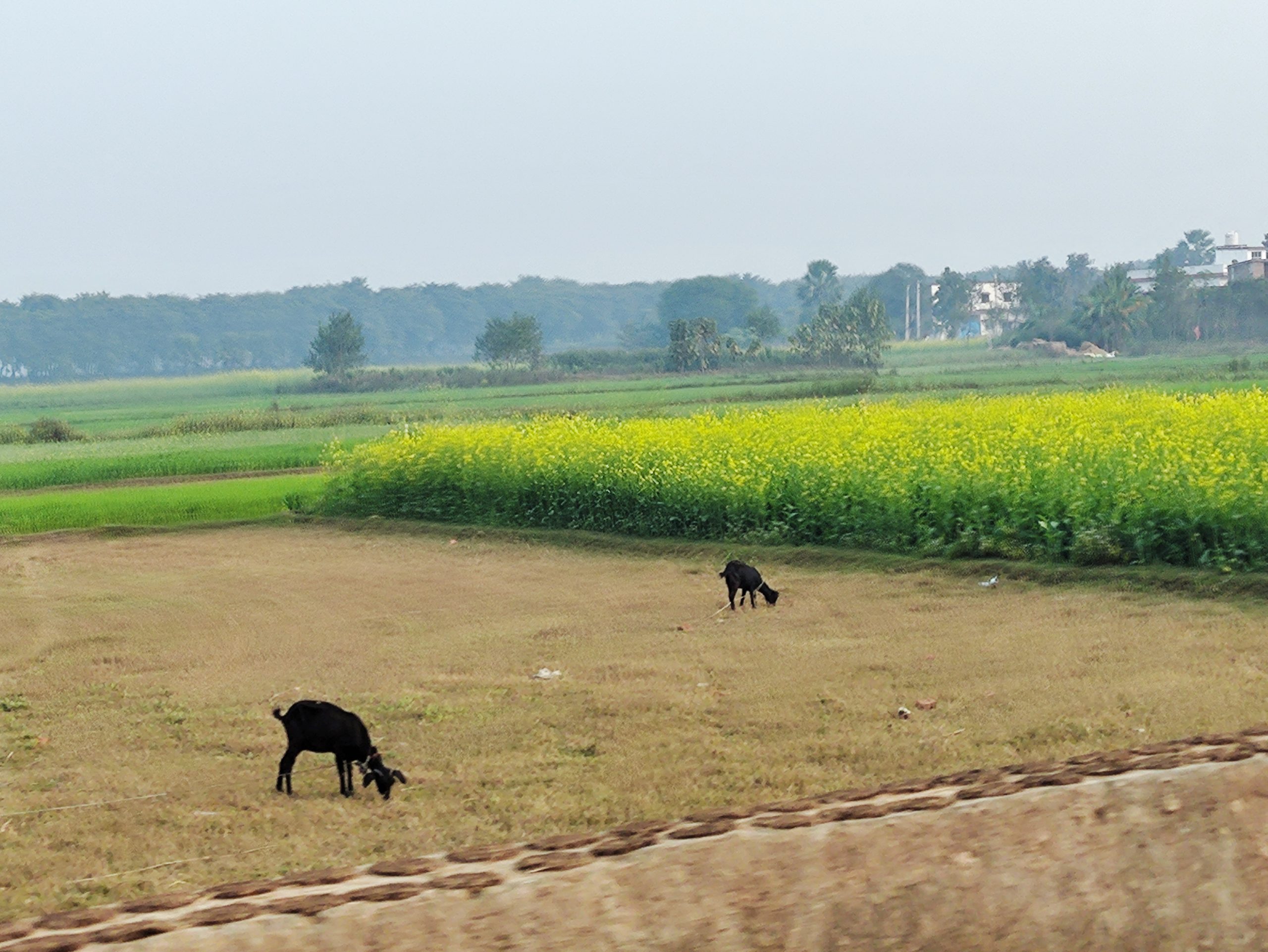
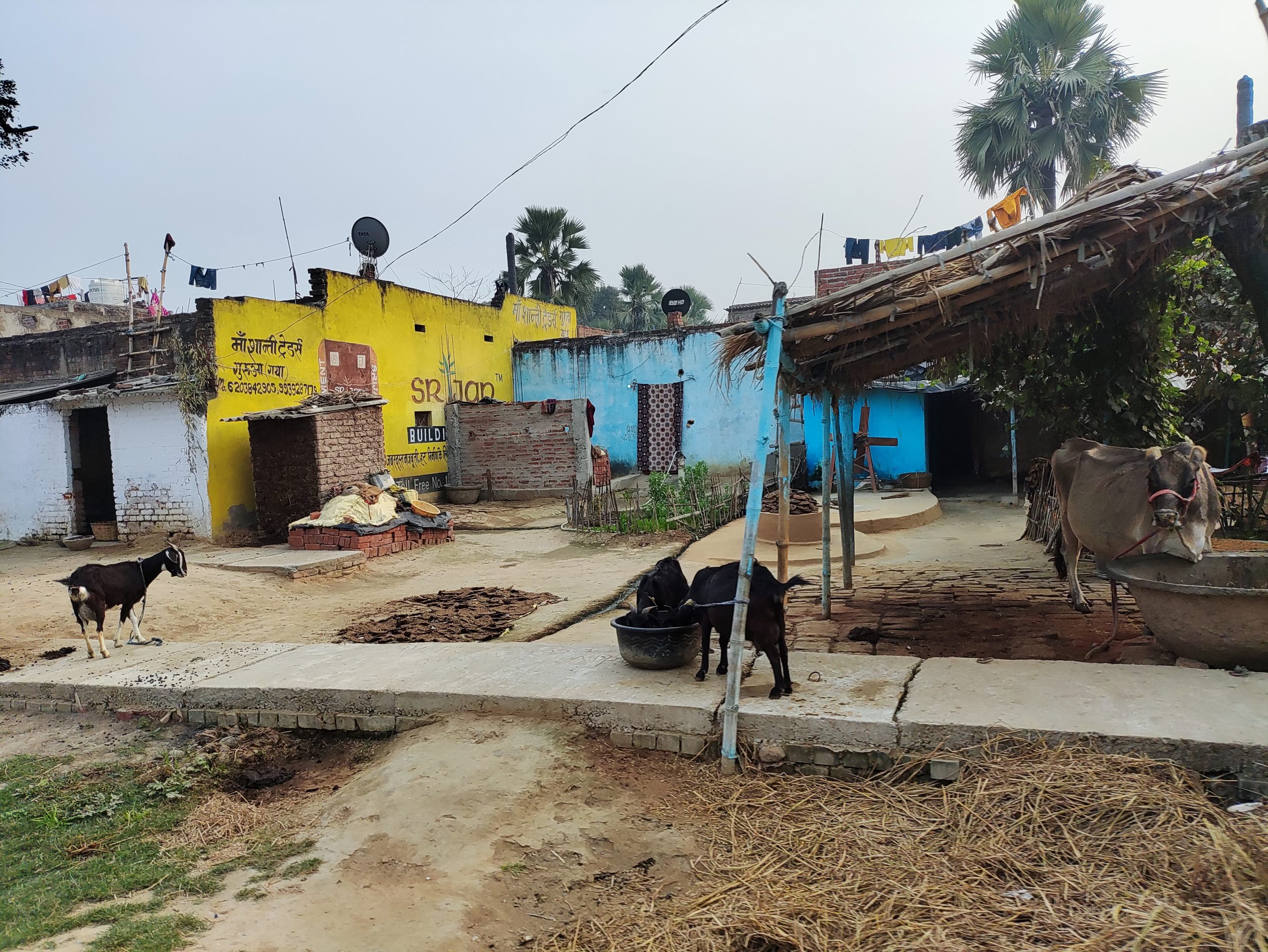
Pictures by Vidya Pancholi